Scaling AI Sustainably: High-Voltage DC Power for Next-Generation Data Centers
How 400 VDC and 800 VDC architectures deliver more compute with fewer materials, lower losses, and reduced environmental impact
4 results found. 1 - 4 of 4 results
How 400 VDC and 800 VDC architectures deliver more compute with fewer materials, lower losses, and reduced environmental impact
Aircraft engines have strict safety standards. Therefore, electrifying them has been considered unfeasible on both a technical and commercial basis. However, it is becoming increasingly likely that it will be possible to electrify aircraft engines due to the development of lightweight materials and the progress of electronics technologies. How far have aircraft engine electrification and autopilot systems progressed now? We explain here the current state and future of electric aircraft engines and autopilot systems as well as the latest information on realizing them, with a focus on electronics technologies.
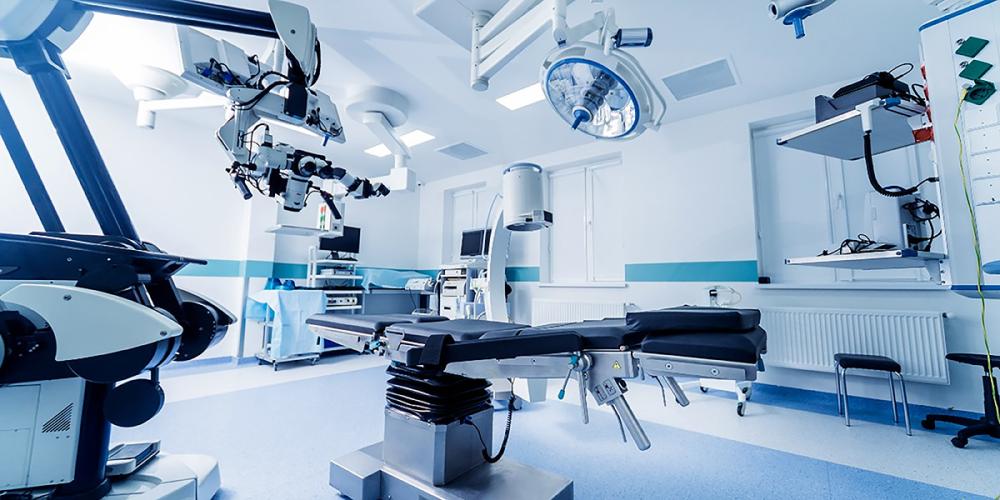
Choosing a power supply for medical equipment applications can be challenging, to ensure that the correct qualified power supply is chosen. The following article is intended to dispel some of the uncertainty and provide a brief overview of some of the terminology and some of the areas to be considered in the field of medical power supplies.
Railways are more energy-efficient than other modes of passenger transportation, with CO2 emissions per ton-kilometer roughly one-seventh those of passenger cars. This is due to the energy-saving effects of power electronics, the electronics technology garnering the most attention amid calls to reduce CO2 emissions in order to achieve carbon neutrality. This article explains the evolution and principles of power electronics for drive motors in rolling stock (electric trains).