
AMR Sensors (Magnetic Sensors)
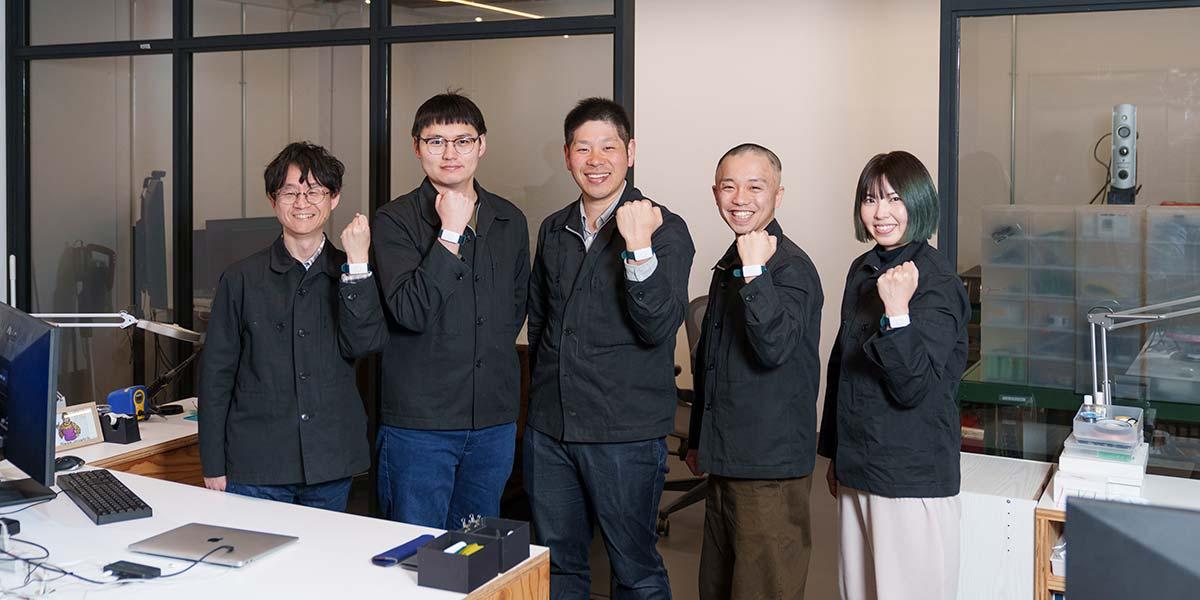
Biodata Bank, Inc. (hereinafter, "Biodata Bank"), winner of the Excellence Award in the KUMIHIMO Tech Camp with Murata (hereinafter, "KUMIHIMO") co-creation project sponsored by Murata Manufacturing in FY2023, develops and sells the "Heat Warning Watch CANARIA Plus" (hereinafter, "CANARIA+"), a product that applies digital technology to prevent heat risk. Murata Manufacturing supplies AMR sensors to Biodata Bank.
Biodata Bank utilizes AMR sensors for power supply control in the CANARIA+ to achieve advanced quality control in the mass production process. We interviewed Mr. Shiotsu, Executive Officer and Vice President of Engineering of Biodata Bank, about how Biodata Bank — a developer and seller of heat risk prevention devices — came to collaborate with Murata Manufacturing, an electronic components manufacturer. We also discussed the need for AMR sensors and the opportunities for co-creation.
--What inspired you to apply to KUMIHIMO?
Shiotsu: CANARIA+ had already been productized and made commercially available. However, due to its design as a single-season product, it was difficult to inspect the finished products with the power turned on. While considering whether it was possible to increase the accuracy of the inspection process by implementing a power on/off control function, meeting with Murata and when we learned that AMR sensors would be provided in the co-creation project 'KUMIHIMO' — which develops products, services, and solutions using Murata Manufacturing hardware — we decided to participate. We were selected for the Excellence Award at the FY2023 KUMIHIMO, and we are also grateful that Murata Manufacturing newly developed and provided AMR sensors for CANARIA+ on such a short deadline.
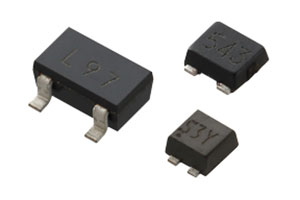
AMR stands for "Anisotropic Magneto Resistance." An AMR element decreases its resistance when exposed to a magnetic field, and this function depends on the direction of the magnetic field line relative to the element. Another of its key features is ultra-low power consumption. So, how is an AMR sensor, equipped with such an element, used in CANARIA+?
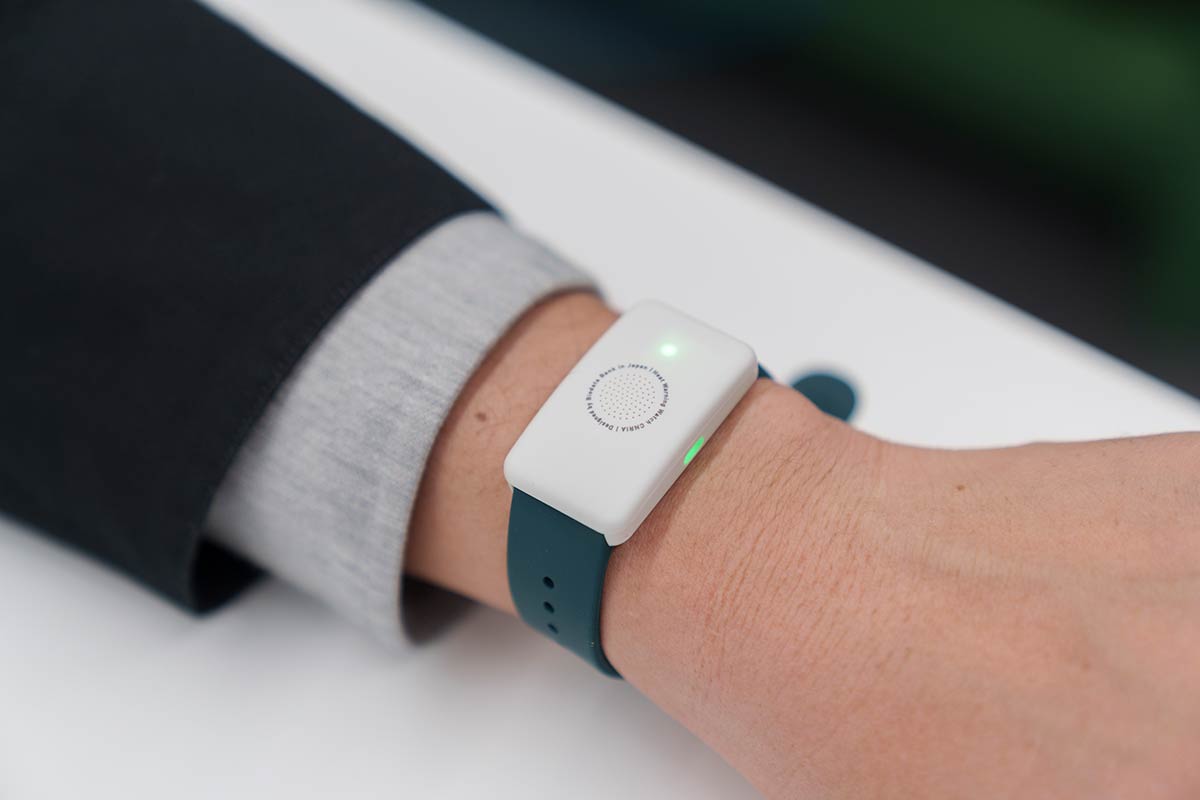
--Please tell us about the CANARIA+ device.
Shiotsu: The CANARIA+ is a watch-type heat risk prevention device that detects increases in heat risk. Through a custom algorithm, the CANARIA+ detects and notifies the user of heat risk in a non-invasive manner without the need to insert the device into the skin or body cavities. In addition, once the device is activated, it is a single-season device that operates continuously for about five months, which prevents the user from forgetting to turn it on and off. These features support safe exercise and work in hot environments.
--What is the current state of the heat risk prevention market?
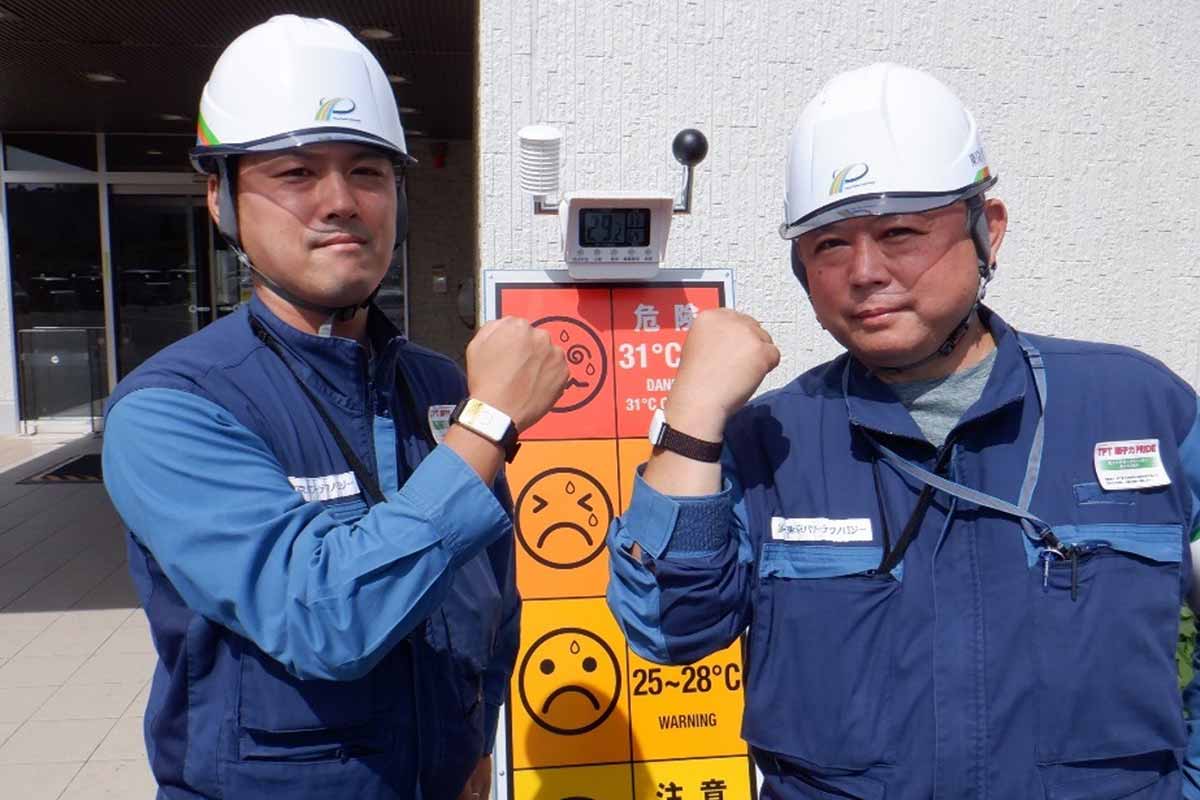
Shiotsu: The heat risk prevention market is expanding due to the impact of global warming. The Japanese government decided through a cabinet-level decision on a policy to halve the number of deaths from heatstroke, which is currently about 1,000 people per year, by 2030 and announced a legal amendment in April 2025 that requires companies to implement heat risk prevention measures. This has further strengthened the responsibility of companies to address heat risk prevention. However, in some cases, conventional measures based on WBGT (Wet Bulb Globe Temperature) and individual sensations and experience are not enough to deal with the extreme heat of recent years. In response, Biodata Bank is working to achieve more accurate and effective heat risk prevention measures and strengthening our quality control to further improve reliability based on our mission of "eliminating heatstroke around the world."
--What specifications were you able to achieve by equipping the CANARIA+ with an AMR sensor?
Shiotsu: With the expansion in sales, we needed to focus even more of our efforts on quality control than before. However, the single-season design of the CANARIA+, which prevents it from being turned off once it is activated, made it difficult to inspect finished products with the power turned on. If we could equip the CANARIA+ with an AMR sensor and remotely control the power on/off with an external magnetic field, that would allow us to inspect finished products in an activated state and turn the power off once again for shipping. This made it possible to inspect finished products in a state that was closer to actual use.
--What were the advantages of engaging in co-creation?
Shiotsu: For Biodata Bank, improving reliability through the inspection of finished goods was of the utmost importance. One other important objective for CANARIA+ manufacturing was creating the mass production schedule according to the business cycle in which inventory is built by spring and then sold during the summer. Since the product mass production period starts around the fall, we were already facing a tough situation in terms of scheduling when we were introduced to the AMR sensor during KUMIHIMO.
Since the existing product did not meet our required specifications, Murata Manufacturing proposed a new sensor that was under development. With their technical and prototyping support under a tight schedule, we were able to find a viable solution that balanced performance with adherence to the development deadline. During the subsequent mass production, Murata Manufacturing secured the components based on our production plan, which enabled us to achieve our target for the mass production period.

--Please tell us about the interactions with Murata Manufacturing that occurred during the prototyping stage such as simulation verification and the provision of product information.
Shiotsu: Before we got started, we were communicating through a dealer, so it occasionally took time to coordinate an exchange of opinions. However, after the start of co-creation, we were able to directly interact with the business unit, and they promptly provided us with information that is not listed in the specifications. Furthermore, they rapidly provided support on the technical supervision side as well during the prototyping stage. The mounting position of the AMR sensor is an important point for controlling the power on/off of the CANARIA+ during the finished product inspection. If it is too close to the battery, it has a negative effect on the sensitivity of the AMR sensor, which makes proper control of the power difficult. Murata Manufacturing worked with us to simulate the best position to ensure that the AMR sensor would operate normally.
--What did you learn through the process of co-creation?
Shiotsu: Through co-creation with Murata Manufacturing's technical team, I was deeply impressed with how they pursue the functional performance of the electronic components themselves to the utmost limits. On the other hand, our company is thoroughly dedicated to pursuing the question of "What can we do utilizing the components?" and fulfilling our role as a company that creates value.
Although the value that we provide differs, we gained the opportunity to directly learn about Murata's commitment to performance and quality as well as the high technical standards of a leading Japanese company, and we have been able to incorporate that knowledge into Biodata Bank's product development and manufacturing process.
Through this recent co-creation experience, I felt that Biodata Bank has transcended the framework of merely being a venture-backed product and is growing into something that is trusted by more people.
Heat risk prevention is becoming more important due to the impact of global warming, etc. In this context, we asked Biodata Bank about the roles that Biodata Bank and Murata will play in the future.
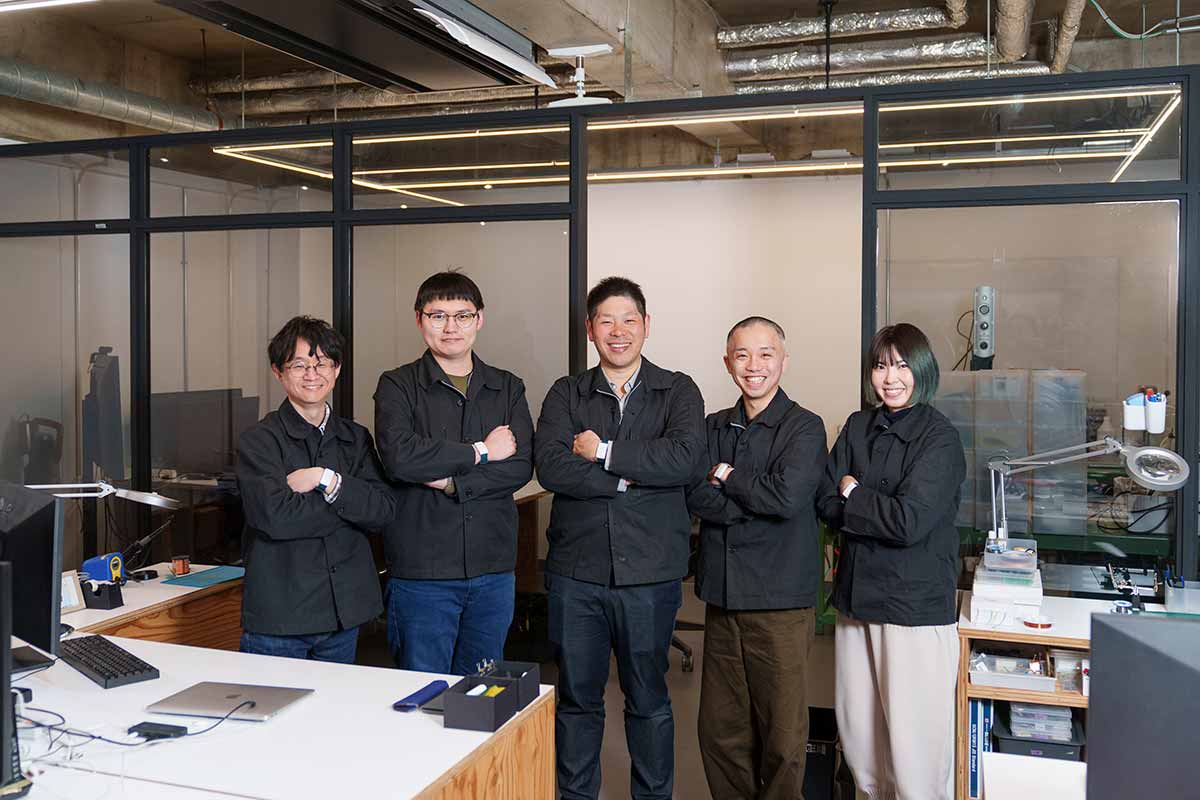
--Please tell us about the future prospects for CANARIA+.
Shiotsu: First, I feel that the issue we are currently facing is the high hurdle for wearable devices at sites where CANARIA+ will be used. To solve this issue, we need to offer highly reliable devices that are easier to use, more secure, and accessible. I believe that the key points for popularizing CANARIA+ going forward are reducing the number of operations by the customer as much as possible and achieving a simple and easy-to-use design.
--What role do you expect in co-creation with Murata going forward?
Shiotsu: When I consult with Murata Manufacturing about an idea that I came up with, I receive advice not only from the liaising department but also from other departments with related technologies. I think that the ability to have such wide-ranging connections is an extremely powerful advantage in making a product a reality. Going forward, I hope to solve many problems by applying AMR sensors and other electronic components from Murata Manufacturing.
--Specifically, what kinds of initiatives are you considering?
Shiotsu: Biodata Bank collects used CANARIA+ units to gather the data and provide the analyzed results to the users. In future models, we would like to enable real-time collection and analysis of CANARIA+ data through LPWA and other types of wireless communication. Because a high level of accuracy in data collection is directly linked to improving CANARIA+ accuracy, we have high expectations for the high-quality communication modules and sensors from Murata Manufacturing.
Temperatures have been rising in recent years due to the impact of global warming, etc. CANARIA+ is a product that was created to solve issues caused by changes in the natural environment. At the same time, ensuring product quality, reliability, and a stable mass production system remains a key challenge for companies. Co-creation emerges at the intersection of growing social needs and the efforts of companies striving to meet them. I believe this is the true foundation of collaborative innovation.
CANARIA+ will likely continue to pursue high-quality and easy-to-use devices in the future. It is expected that Murata's electronic components will play an increasingly important role in the collection of vital data using wireless communications and real-time data analysis, etc.
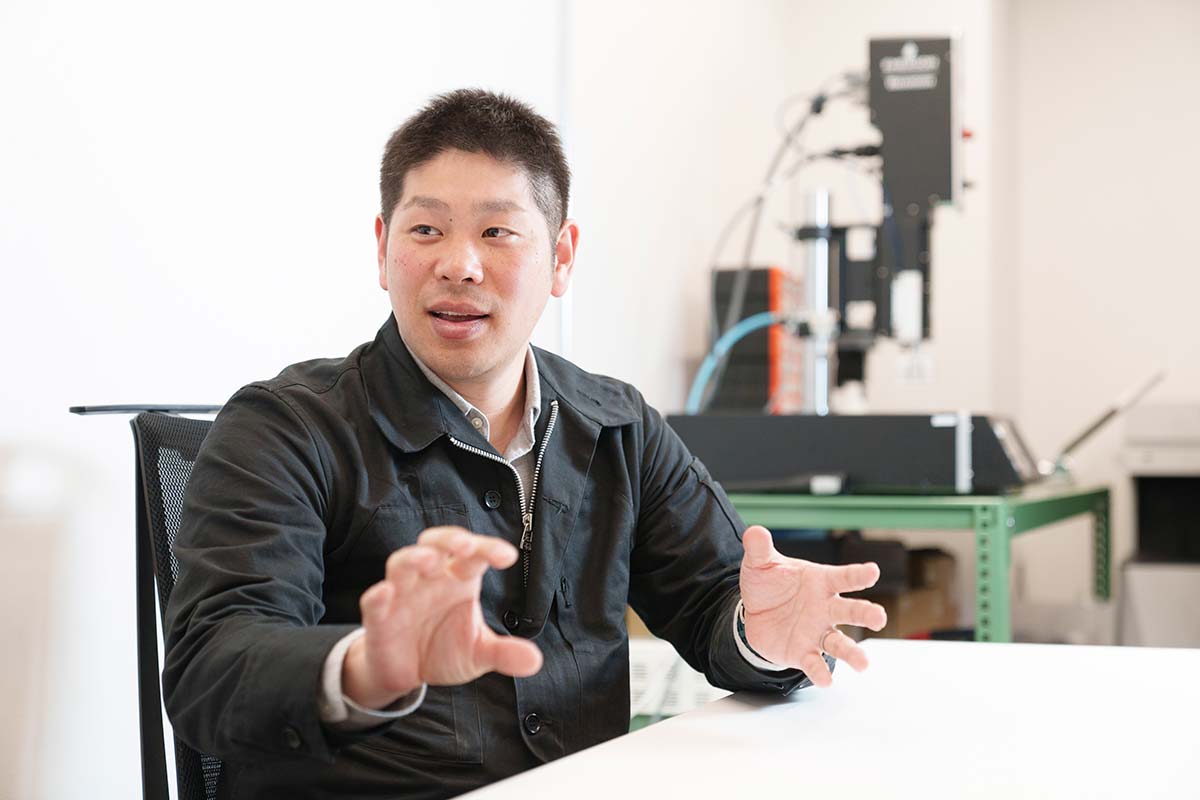
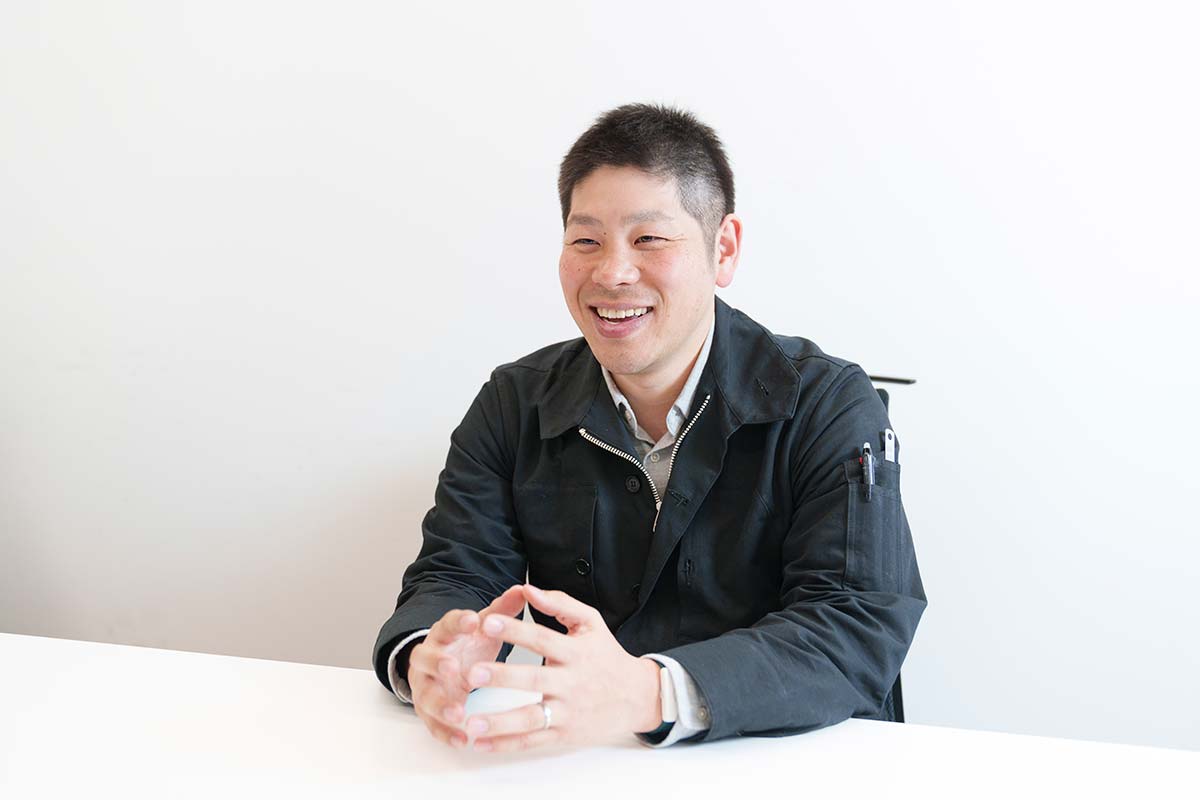
Takahiro Shiotsu
Executive Officer and Chief Technology Officer of Biodata Bank, Inc.
Shiotsu started his career as an engineer at Toyota Motor Corporation. He was involved in the development of automobile wire harnesses (wiring) and meters. After being posted to a North American business unit, he returned to Japan where he experienced the launch of vehicle mass production at plants in Japan and France. In December 2020, he joined Biodata Bank, Inc. He applies his knowledge of design and quality control to engage in a consistent approach to manufacturing from principle verification of healthcare devices to device development, algorithm development, and mass production.