SDGs×Murata
Murata Promotes Climate Change Measures – Group-wide Initiatives (Part 1) –
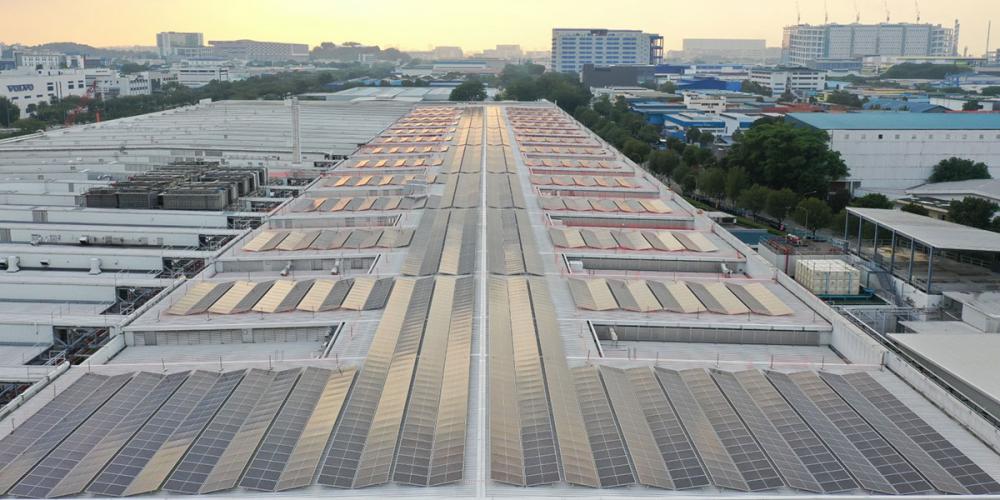
An introduction to the climate change measures being carried out across the entire Murata Group as part of its SDG initiatives.
40 results found. 21 - 30 of 40 results
SDGs×Murata
An introduction to the climate change measures being carried out across the entire Murata Group as part of its SDG initiatives.
We give an explanation here about the industrial networks used to exchange a variety of data in smart factories while clarifying their differences with consumer network technology. We also touch on their evolution to meet new demands such as coordinating with corporate systems in addition to simply linking up systems and control devices.
We give an explanation here about the optimization of variable-mix variable-lot production – a production structure that responds in a timely manner to the consumer market where diversification is progressing and trends are changing drastically. The application of IoT and smart robots is spreading to enhance the productivity of cell production system lines. Furthermore, expectations are also building for the utilization of AI and other technologies that predict the market environment and factory operating conditions.
This article introduces the automation of data recording and management using sensors and IoT, which is essential to reduce the on-site workload of food hygiene management conducted in accordance with HACCP.
As explored in this article, maintenance operations are a gateway to building smart factories. Predictive maintenance is taking off. By detecting symptoms of imminent equipment failure on production lines from slight vibration or other changes, manufacturers can take action before it's too late. This thinking can now be extended to proactive yield and quality management.
Murata Manufacturing Co., Ltd. has codeveloped a tough and small RFID module that can be embedded into tires through close cooperation with Michelin. This module will bring about innovation in the tire business by managing the usage situation over the entire life cycle of tires – from their production to their disposal.
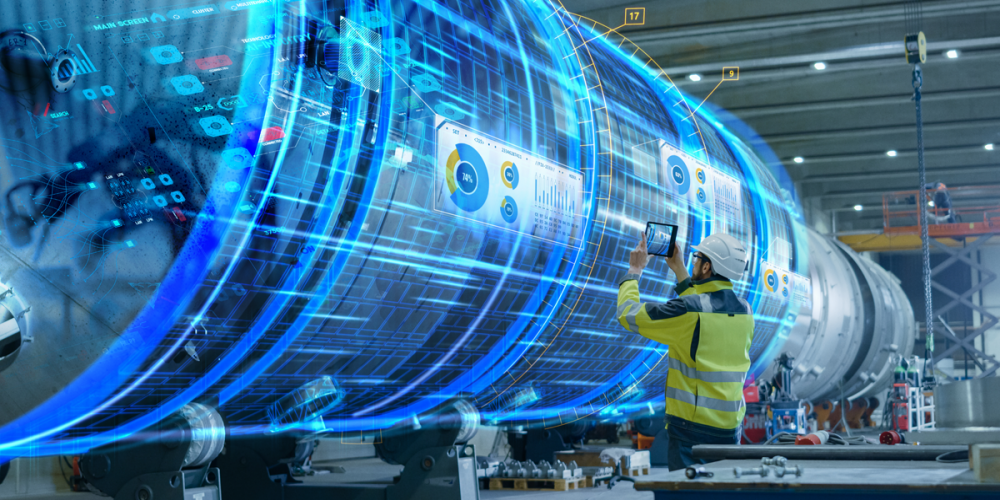
A cyber-physical system (CPS), which is the core information system of future factories aiming to be smart factories, is built by concentrating together IoT, AI, big data analysis, industrial networks, and other advanced information technologies. It is an information system occupying the core in the implementation of digital transformation (DX) in the manufacturing industry that draws a clear distinction with mere process automation by conventional factory automation (FA).
We give an explanation here about digital transformation (DX) in the manufacturing industry – business reform that utilizes digital technology in the manufacturing industry. The approach to business reform is gradually becoming more sophisticated with visualization, optimization, automation, and autonomy in DX in the manufacturing industry. The scope of the application of that is also expanding to systems, factories, companies, and supply chains.
Bringing humans and machines even closer with sensors and AI
Wearable sensors and image recognition technology now make it possible to see exactly how experts work. In this section, we introduce some examples of how expert skills can be passed on to the next generation, and how work can be automated.
One of the issues facing the logistics industry in recent years is loss of pallets. We showcase the utilization of IoT technology to solve the problem of losing logistics pallets in this article.