All articles on "Decarbonization"

17 results found.
1 - 10 of 17 results

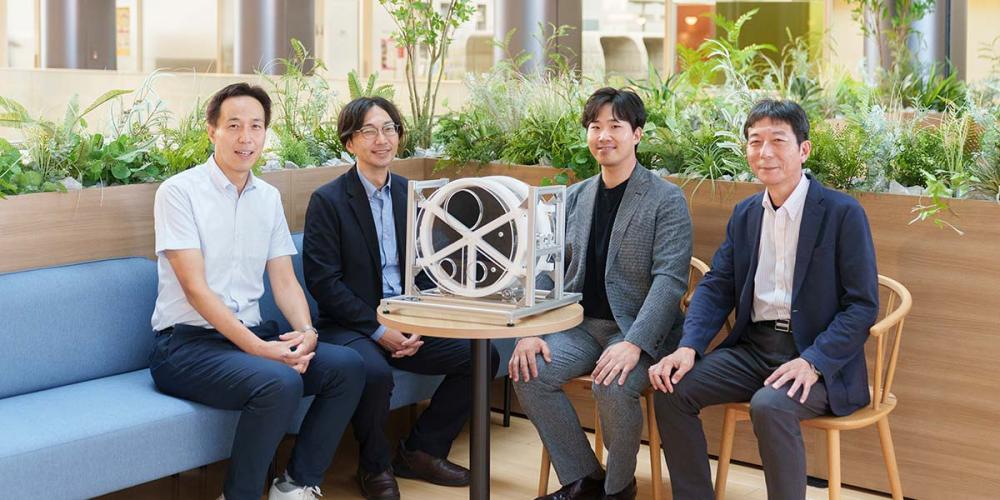
The Vision for Next-Generation Manufacturing of Murata's Distributed Exhaust Circulation One-by-one VOC Removal System - Simultaneously Reducing Environmental Impact and Costs

The compact VOC removal system aims to achieve annual energy savings of approximately 20 million yen per drying equipment unit. Through a "one-by-one" distributed installation for each production equipment unit, the system significantly decreases energy use for cleanroom temperature and humidity adjustment, reduces the environmental impact, increases factory efficiency, and enables layout flexibility. This article describes how Murata overcame technical challenges such as developing miniature, high-efficiency rotors and introduces the story behind the system's development.
  • Co-Creation
  • Decarbonization
  • Carbon neutrality

SDGs×Murata

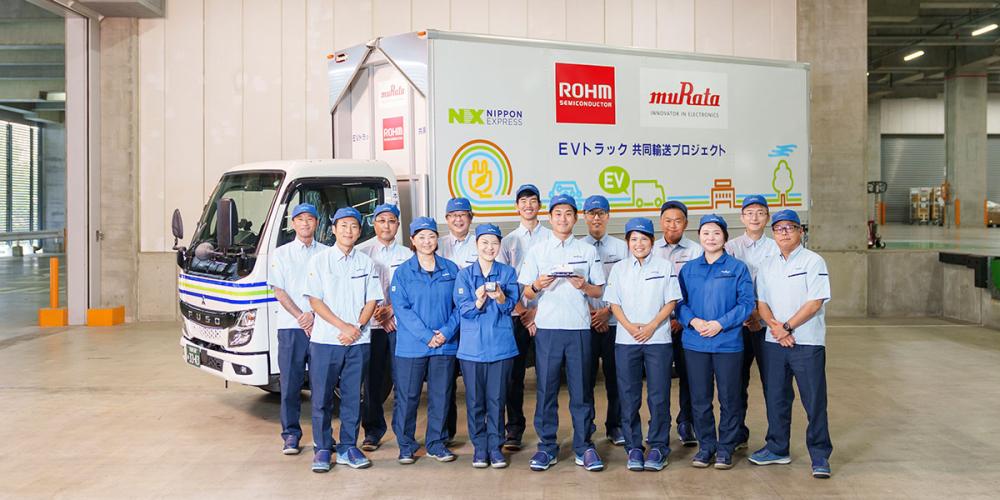
Scope 3 Category 4 Reduction Measures - Taking On the Challenge to Both Increase Environmental Value and Reduce Costs Through Logistics and Packaging

This article introduces Murata Manufacturing's initiatives to reduce emissions falling under Scope 3 Category 4 (Upstream transportation and distribution). Murata Manufacturing has set a target of reducing overall Scope 3 GHG emissions by 27.5% by 2030 compared to fiscal 2019. As part of these efforts, we are promoting a variety of measures such as initiatives to reduce Category 4 emissions, including modal shifts, joint transportation using EV trucks, and improvements in packaging materials. Here, we explain the details of specific initiatives and future prospects.

  • Logistics
  • Supply Chain Management
  • Carbon neutrality
  • Decarbonization

SDGs×Murata

The GHG Protocol: Scope 1, 2, and 3 GHG Emission Reductions Companies Must Reach to Achieve Carbon Neutrality

Efforts to achieve carbon neutrality are now an inescapable responsibility for companies. To reduce greenhouse gases (GHGs), they must not only take steps as business entities, but also collaborate with others throughout their entire supply chains. This article introduces the frameworks and specific initiatives we deploy in an effort to reduce Scope 1, 2, and 3 GHGs.

  • Carbon neutrality
  • Renewable energy
  • Decarbonization

Optimizing the usage of renewable energy, Murata has developed Integrated Renewable Energy Control Solution.

The climate crisis is becoming more serious. Under these circumstances, various places are introducing renewable energy. However, there are many challenges to ensuring a stable supply of energy. Effective energy management is required. Murata Manufacturing's efinnos is an integrated renewable energy control solution that utilizes AI to eliminate the gap between supply and demand. Those in charge of developing efinnos, which has already built up a proven track record of operation, explain here its features and future prospects.

  • Carbon neutrality
  • Decarbonization

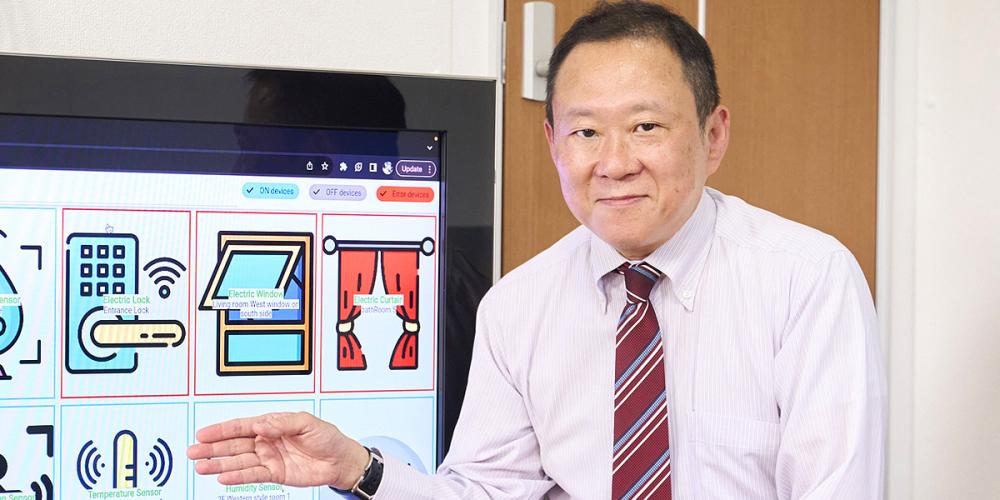
Aiming for Lifestyle Support Technologies that Can Respond to the Diversity of Residents: Expectations Toward Manufacturers that Provide Component Technologies for Smart Homes

Smart homes utilize data that can be obtained in the course of daily life to support residents' lives. To make smart homes a reality, diverse electronic information and communications technologies must be utilized. We spoke with Professor Yasuo Tan of the Japan Advanced Institute of Science and Technology about the technologies needed to make the ideal smart home a reality and the role of manufacturers developing and supplying those technologies.

  • Researcher Interview
  • Sensors
  • Smart Home
  • IoT
  • AI
  • Work style reform
  • Decarbonization

A Near Future Smart Home Equipped With 1,000 Sensors to Watch Over the Residents at Anytime from Anywhere to Anticipate and Fulfill Their Wishes

The combination of IoT systems and AI technologies to collect and process big data is advancing, and this is occurring not only in industry and government agencies but also leading to the smart home concept that is spreading to ordinary homes as well. We spoke with Professor Yasuo Tan, Vice-President of the Japan Advanced Institute of Science and Technology, about the ideal vision for the smart home that we should aim for in the near future and the technologies required to make it a reality.

  • Researcher Interview
  • Sensors
  • Security
  • Smart Home
  • IoT
  • AI
  • Work style reform
  • Decarbonization

CEATEC 2023

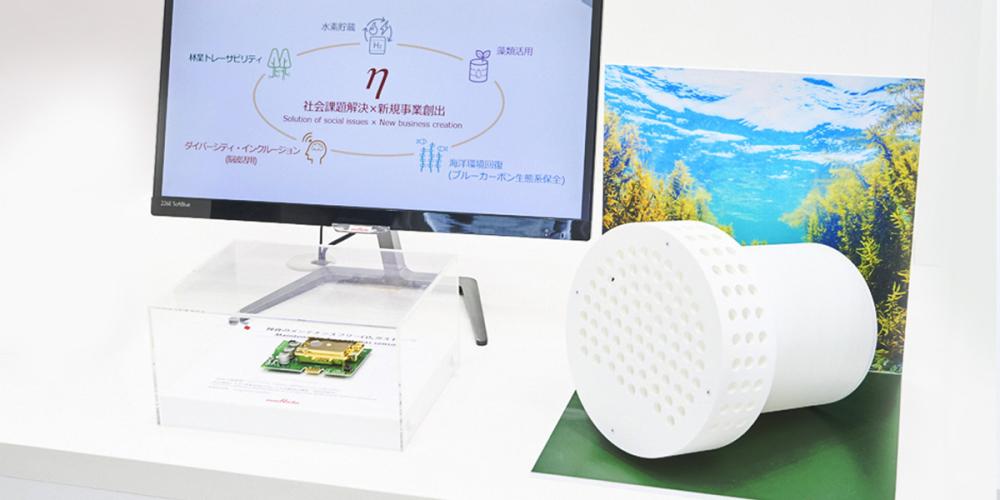
Supporting Decarbonization with “Underwater CO2 Sensor” and “Lightweight Heat Transfer Material Employing Biomass Materials”

In recent years, environmental performance supporting decarbonization or recycling has become an important consideration for consumers when choosing to purchase products or services. Murata Manufacturing has developed an “underwater CO2 sensor” that will help promote blue carbon transactions and a “lightweight heat transfer material employing biomass materials” for heat dissipation in automobiles, which are becoming “smarter.” Murata continues to press forward with efforts to boost the added value of products and businesses through technological innovation at the level of components and materials.

  • Developer Interview
  • Decarbonization
  • Recycling
  • Carbon neutrality
  • CO2 sensors
  • Biomass
  • Material
  • Automotive

Smart Factories: Giving Form to Digital Transformation in the Manufacturing Industry

The Inseparable Relationship Between Digital Transformation and Decarbonization and Technologies Essential for a Sustainable Manufacturing Industry

We explain here trends in the use of the latest technologies for decarbonization, which is one of the mega-trends surrounding the manufacturing industry. Digital transformation in the manufacturing industry, which is being tackled in smart factories, and decarbonization efforts are two sides of the same coin. It will be important to introduce and utilize advanced information processing technologies such as IoT, AI, and digital twins as a means of realizing RE100-compliant factories.

  • Smart Factory
  • Decarbonization
  • Carbon neutrality
  • DX
  • IoT
  • AI