All articles on "Solutions"

57 results found.
21 - 30 of 57 results

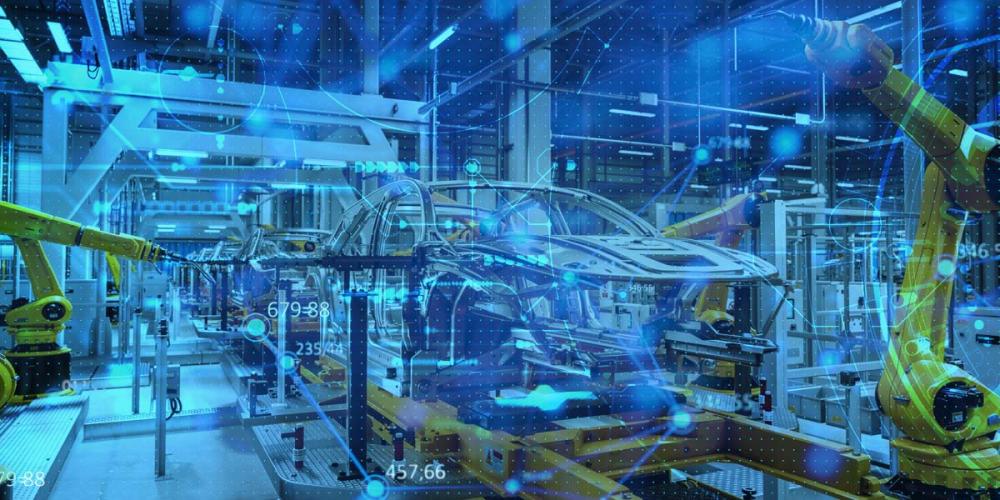
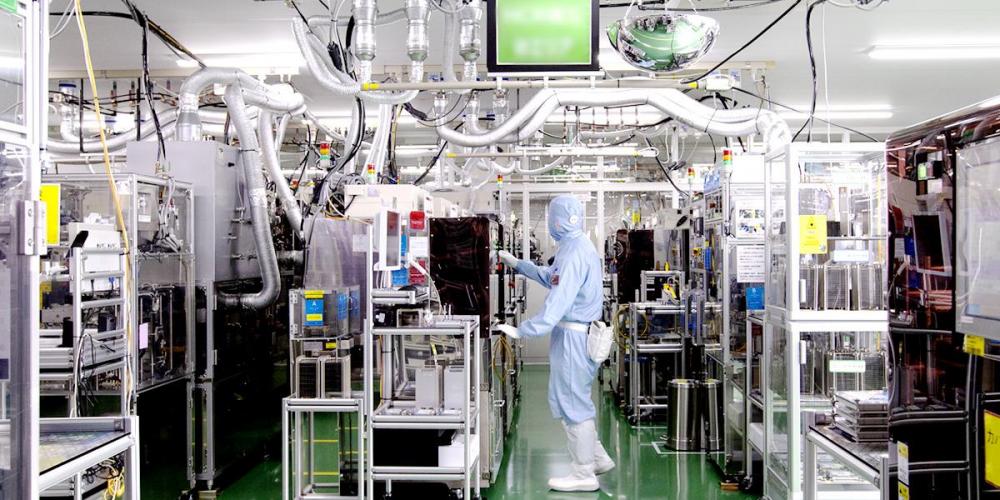
From automation to autonomy and collaboration, manufacturing robots are advancing to become smarter

Robots used in plants are becoming smarter and more advanced. They are not simply automating routine tasks but independently performing situation-specific tasks, and moving in a coordinated manner with the movements of people. This article introduces scenarios in which cutting-edge robots are used and the roles that they play using automobile and semiconductor plants as examples.

  • Smart Factory
  • Robot
  • DX
  • IoT
  • AI
  • Sensors

Smart Factory Case Study

How to Fill the Gap in the Proficiency of Workers? Iwate Murata Manufacturing Edition (Part 1)

We introduce here the process when promoting the conversion of a regular factory into a smart factory and the keys to promoting that. We do that based on the example of Iwate Murata Manufacturing, which has eliminated the gap in the proficiency of workers to achieve task standardization and productivity improvement through conversion into a smart factory.

  • Smart Factory
  • DX
  • IoT

Smart Factory Case Study

What Is the First Step to Converting a Regular Factory into a Smart Factory? Komoro Murata Manufacturing (Part 2)

In Part 2 of this article, we introduce initiatives on predictive maintenance and visualization of the equipment operating situation derived from realizations obtained in the EMS. We also look at the clues to cultivating an awareness to make improvements in the manufacturing site that forms the key to converting a regular factory into a smart factory.

  • Smart Factory
  • DX
  • IoT

Considering Air Quality to Reduce the Risk of COVID Infection (Part 1)—Measuring CO2 Concentration to Visualize Air Quality and Ensure Proper Ventilation

For society to recover and progress in this post-pandemic era, we need to reduce the risk of infection at schools, offices, and other places where people gather. To achieve this, we must avoid the three Cs: closed spaces, crowded places, and close-contact settings. Toward that end, ventilation is especially important for preventing airborne infections. A new method of discerning and announcing the proper timing for ventilation is gaining attention: using CO2 sensors to visualize air quality.

  • CO2 sensors
  • Developer Interview
  • COVID-19
  • Sensors