
Murata Aims for a Society That Utilizes Fatigue/Stress Visualization Through Co-creation with Academia and the Education Sector
EduTechnology provides consulting services to schools and boards of education across Japan on the use of ICT equipment. In fiscal 2023, its initiative to make fatigue and stress levels visible in educational settings using Murata's MF100 Fatigue Stress Meter was selected for KUMIHIMO Tech Camp with Murata, a co-creation project by Murata Manufacturing.
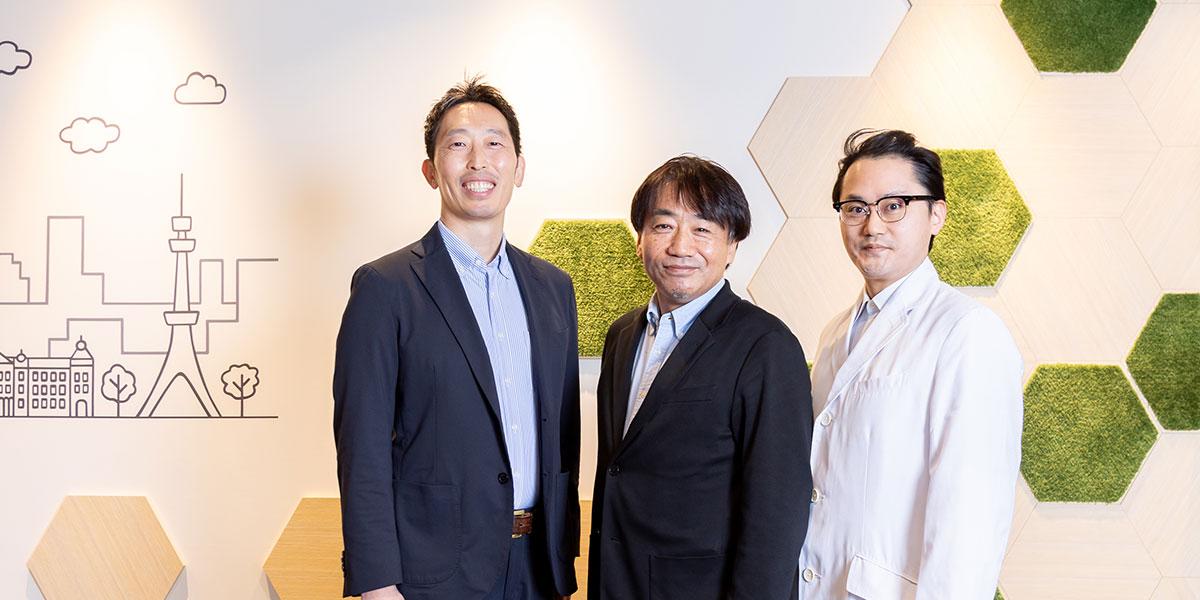
The significance of this initiative lies in the fact that, through KUMIHIMO Tech Camp, the educational sector, academia, and the corporate entity Murata formed a three-way partnership to conduct a pilot demonstration. EduTechnology Japan CEO Yoshihiro Sakagami, Dr. Go Muto from Kitasato University who participated in the demonstration test from an academic perspective, and Toru Yabe, Murata's lead for the Fatigue Stress Meter, discussed the value and future outlook of their collaboration aimed at leveraging fatigue and stress level visualization in education.
*This product is not a medical device.
1. A Three-Way Collaboration through KUMIHIMO: The Education Sector, Academia, and Murata
--The Fatigue Stress Meter was launched in 2018. Could you please review its features for us?
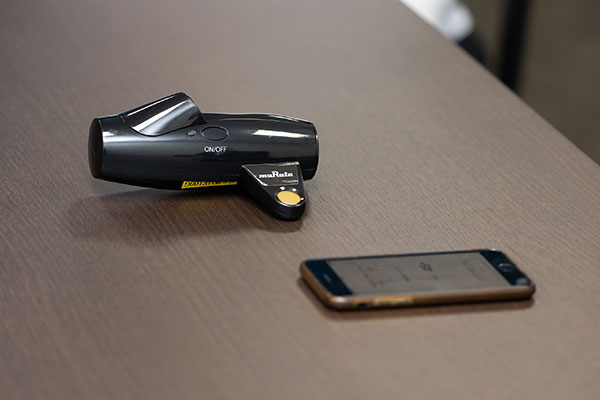
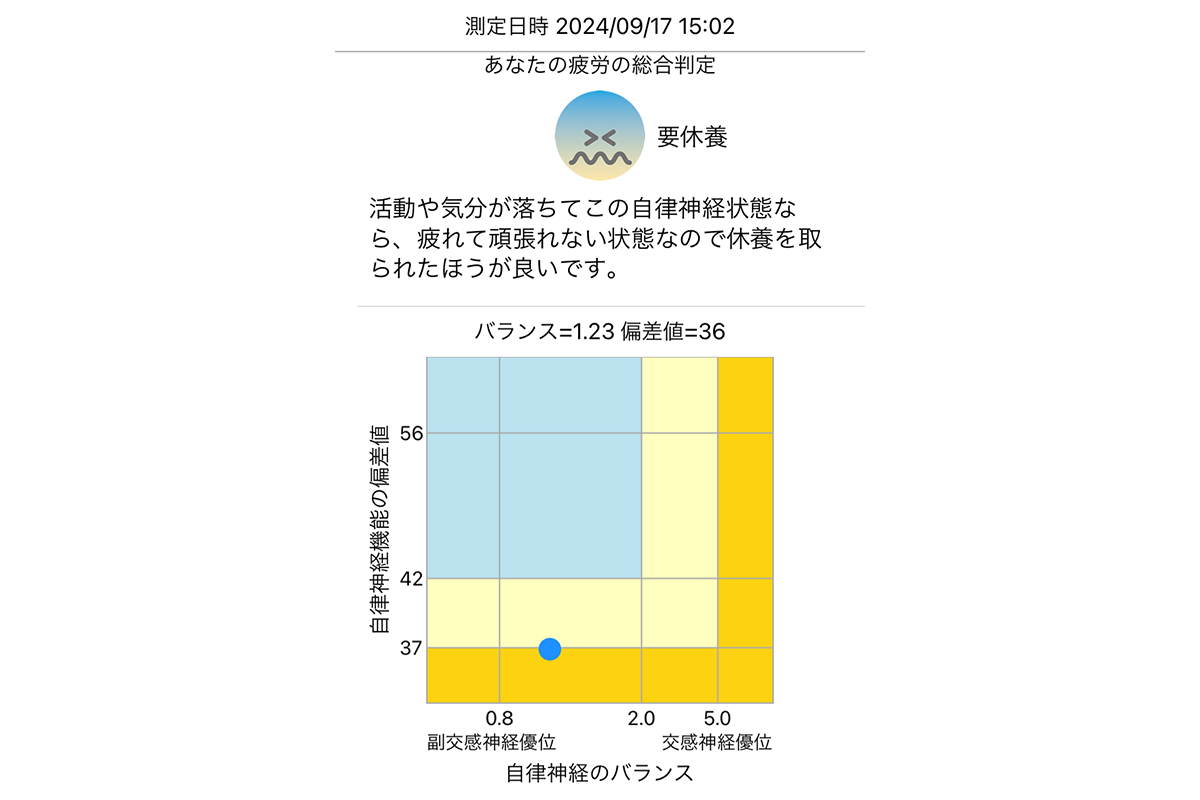
Yabe: It's a device that captures heartbeat intervals using a hybrid of optical and electrical methods when you grip the main unit. It is equipped with Murata's heartbeat/pulse sensor, and the subtle fluctuations in the measured heartbeat intervals are analyzed by an algorithm from our partner, Fatigue Science Laboratory Inc. This data is then adjusted using big data from approximately 200,000 individuals across various ages and industries to visualize fatigue and stress levels as an autonomic nerve balance and deviation score. A key feature is its ability to draw an objective, evidence-based line for fatigue and stress levels. We achieve this by standardizing the user's state during measurement—asking them to rest, close their eyes, and think of something pleasant—and applying adjustments based on age and gender.
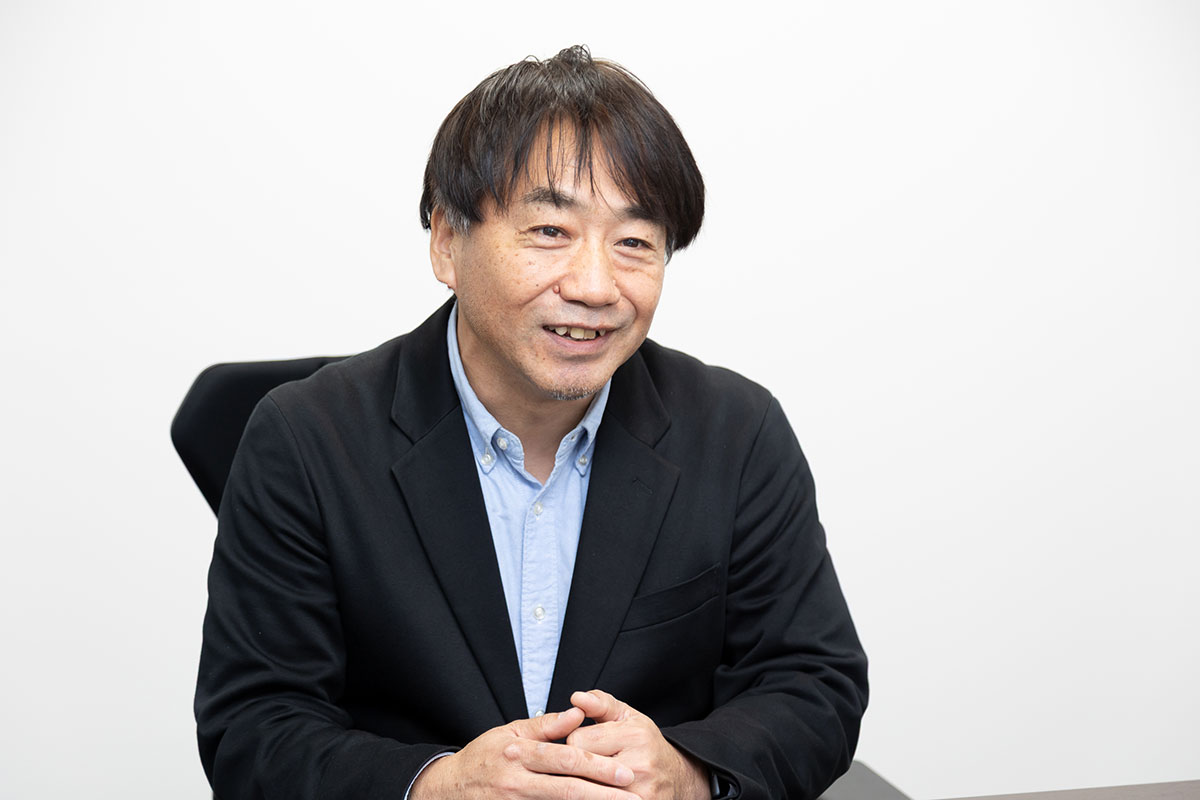
Muto: A key feature is its ability to instantly visualize current fatigue and stress levels within two minutes while sitting and relaxed with your eyes closed, giving you real-time results. This hybrid Fatigue Stress Meter, which simultaneously measures cardiac electrical signals (ECG Lead I) and pulse waves using both hands, is a very sophisticated piece of healthcare equipment. It is the result of Murata's sensing technology, which measures heartbeat fluctuation with extreme accuracy and precision, combined with an algorithm based on the massive foundational database from Fatigue Science Laboratory for comparison. I feel it's essential that we find ways to apply this device in the occupational health field.
--For this KUMIHIMO project, you are using the Fatigue Stress Meter to measure the fatigue and stress levels of school faculty and staff. Could you first tell us the background behind your co-creation with EduTechnology?
Yabe: I was looking for ways to expand awareness of the Fatigue Stress Meter when I heard that lack of sleep, a key trigger for fatigue and stress, was a frequent problem among children. They were in this situation because they were busy with cram schools and other lessons. So, we decided to target children for measurement and began introducing KUMIHIMO to companies involved in education. That's how we first connected with EduTechnology in 2023.
EduTechnology proposed that it might be more useful to visualize the stress of teachers rather than children. It's true that teachers, driven by a strong passion to do things "for the children," tend to take on excessive burdens out of a sense of mission. Quantification allows the difference between perceived fatigue and actual stress to be clearly identified. We agreed with EduTechnology's proposal, hoping the meter could be used in schools to help them take preventative measures before feeling unwell, by measuring their physical and mental fatigue balance.
--Mr. Sakagami, what is your view on the current situation in the education field?
Sakagami: The GIGA School Program from Japan's Ministry of Education, Culture, Sports, Science and Technology (MEXT), which began in 2019, has drastically changed the ICT environment in schools. With things like a one-to-one device-to-student ratio and an upgraded network environment, Japan's educational infrastructure is at a globally advanced level. However, adapting new technology to learning is not easy. I imagine that teachers in the field are going through a daily process of trial and error.
Furthermore, the number of students per school is now decreasing noticeably due to the declining child population. As a result, we're starting to see a reduction in the number of teachers per school, especially in rural areas. But even if the number of teachers decreases, their workload remains the same.
In these conditions, the amount of fatigue and stress on teachers is by no means small. I was wondering if we could objectively measure these factors and use the data as a persuasive tool for improvements in the classroom when we got this opportunity for co-creation through KUMIHIMO. I felt it was the first step toward implementing measures to help teachers maintain their physical and mental health, and I was extremely grateful.
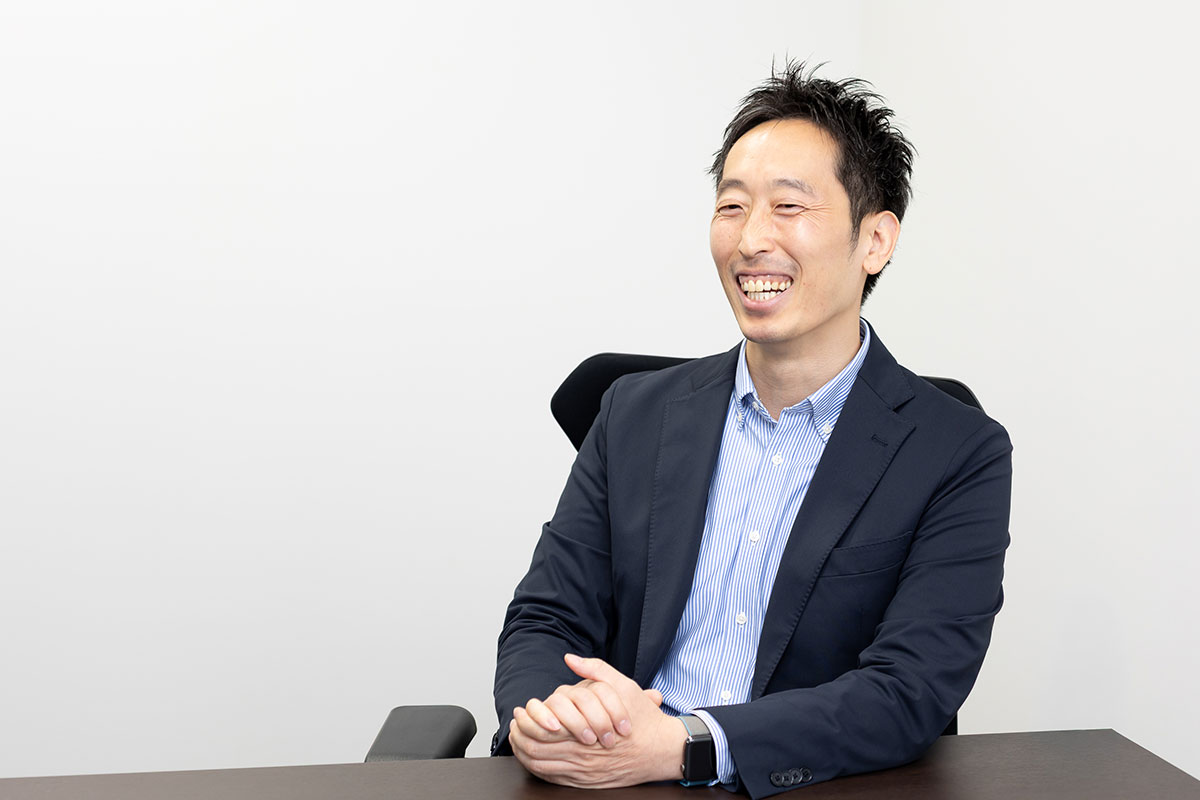
--How did you come to work with Dr. Muto?
Yabe: It was about a year after we started working with EduTechnology. Just when I was thinking that an academic perspective would be essential to analyze the data we were collecting, Dr. Muto approached us for a consultation on visualizing fatigue and stress levels. I had been considering asking for help from a professional working on stress levels and fatigue measurement from an occupational safety and industrial hygiene perspective, so the timing was truly perfect. With KUMIHIMO as a starting point, three parties from entirely different industries and professions were able to connect and launch an initiative that could have a real impact on the education sector.
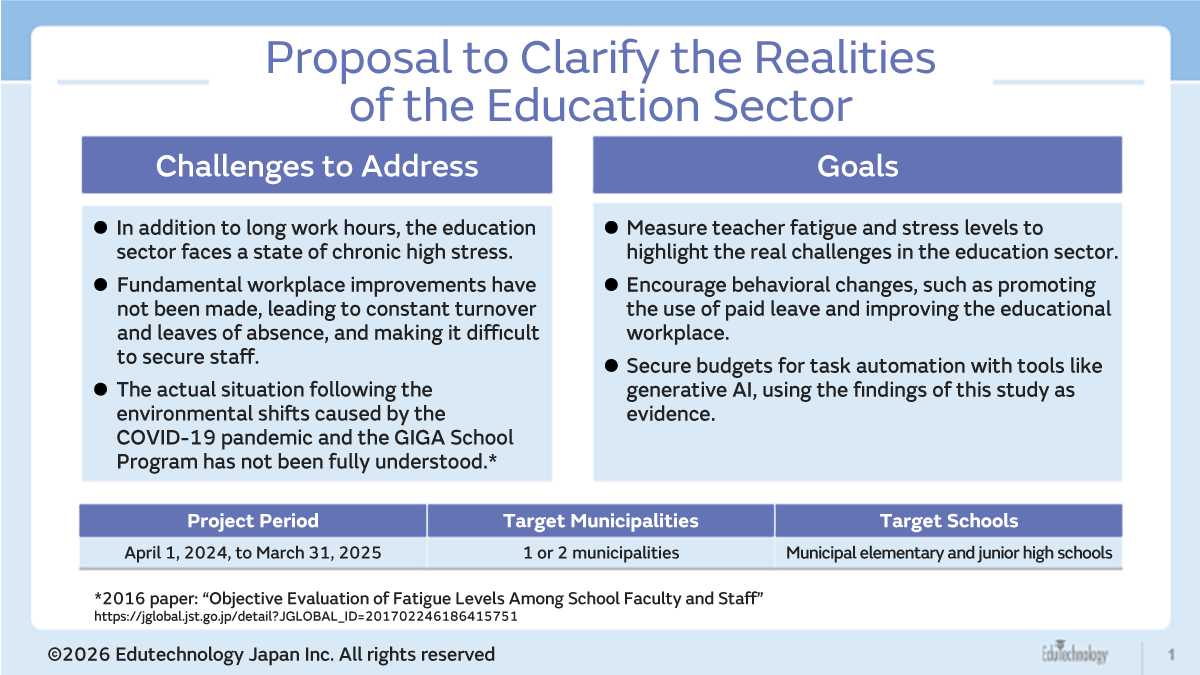
Muto: I used to be the industrial physician for Murata's Yokohama office and for Murata Electronics, which was a subsidiary at the time. When I learned that the Fatigue Stress Meter had been released by the very company where I had once managed employee health and observed the development sites during my rounds, I asked their occupational health professionals if we could collaborate on its real-world deployment from the perspectives of both industrial hygiene and IT healthcare. An accurate, real-time, objective evaluation of fatigue and stress levels is difficult without a device like this. It is thanks to KUMIHIMO that multiple companies and organizations can work together toward a common goal and conduct research based on more scientific evidence. I'm honored to have been given this opportunity.
The first report based on data from the KUMIHIMO pilot was presented in November 2025*1 at the Japan Association of Job Stress Research, together with my co-researcher Dr. Akiomi Inoue of the University of Occupational and Environmental Health, an expert in workplace mental health. The report, which clearly stated that this was a joint study with Murata and EduTechnology, received a significant response at the conference, which is composed of experts in workplace stress management and improvement activities. We felt this was a positive sign for future developments.
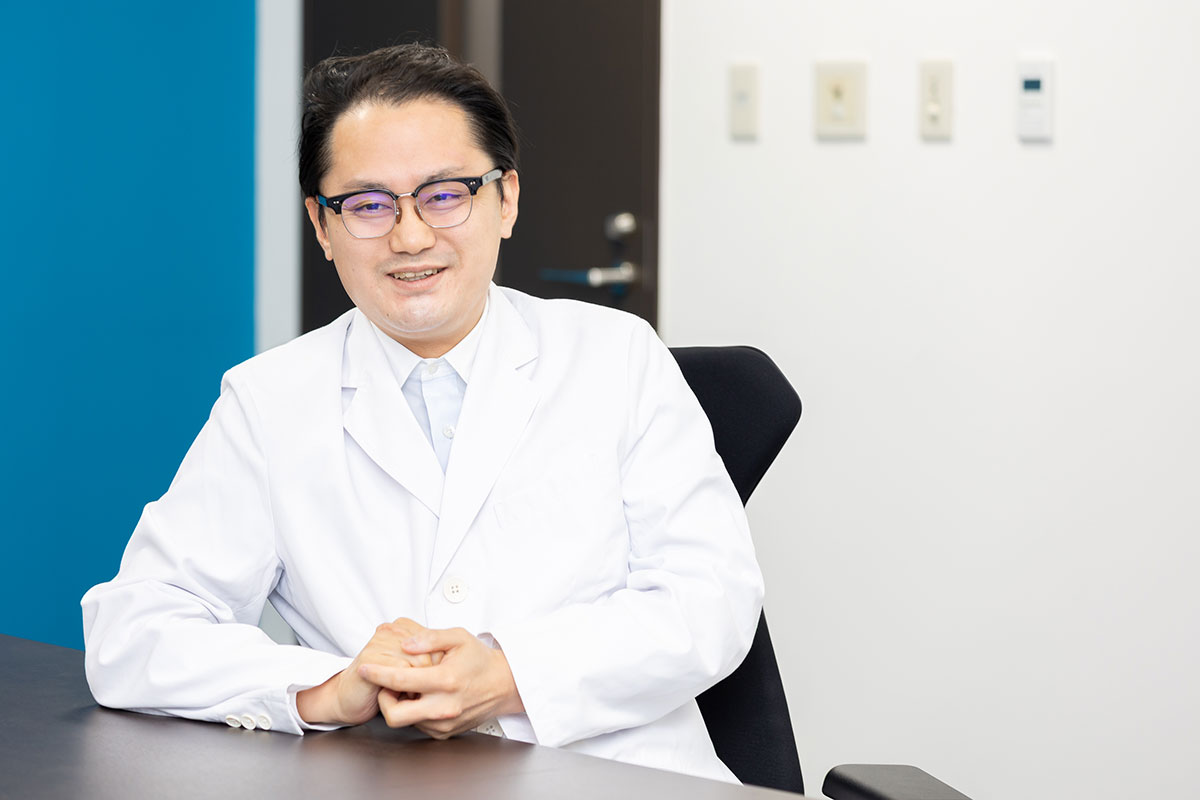
*1 The 33rd Meeting of the Japan Association of Job Stress Research, "Study on the Workplace Application of an Indirect Quantitative Evaluation Method for Fatigue and Stress Through Heartbeat Fluctuation Analysis." Go Muto (Department of Hygiene, Kitasato University School of Medicine), Yuki Omori (Department of Hygiene, Kitasato University School of Medicine), Akiomi Inoue (Institutional Research Center, University of Occupational and Environmental Health, Japan).
2. Data Volume and Proven Use Cases: The Keys to the Fatigue Stress Meter's Adoption
--What was it like measuring fatigue and stress levels in actual educational settings?
Sakagami: We asked the teachers to take measurements before and after work. The initial measurement time was two minutes, but for teachers, even a few minutes is time they cannot spare. Therefore, after consulting with Murata, we were able to conduct the measurements in 90 seconds, a duration that still yields sufficiently reliable data.
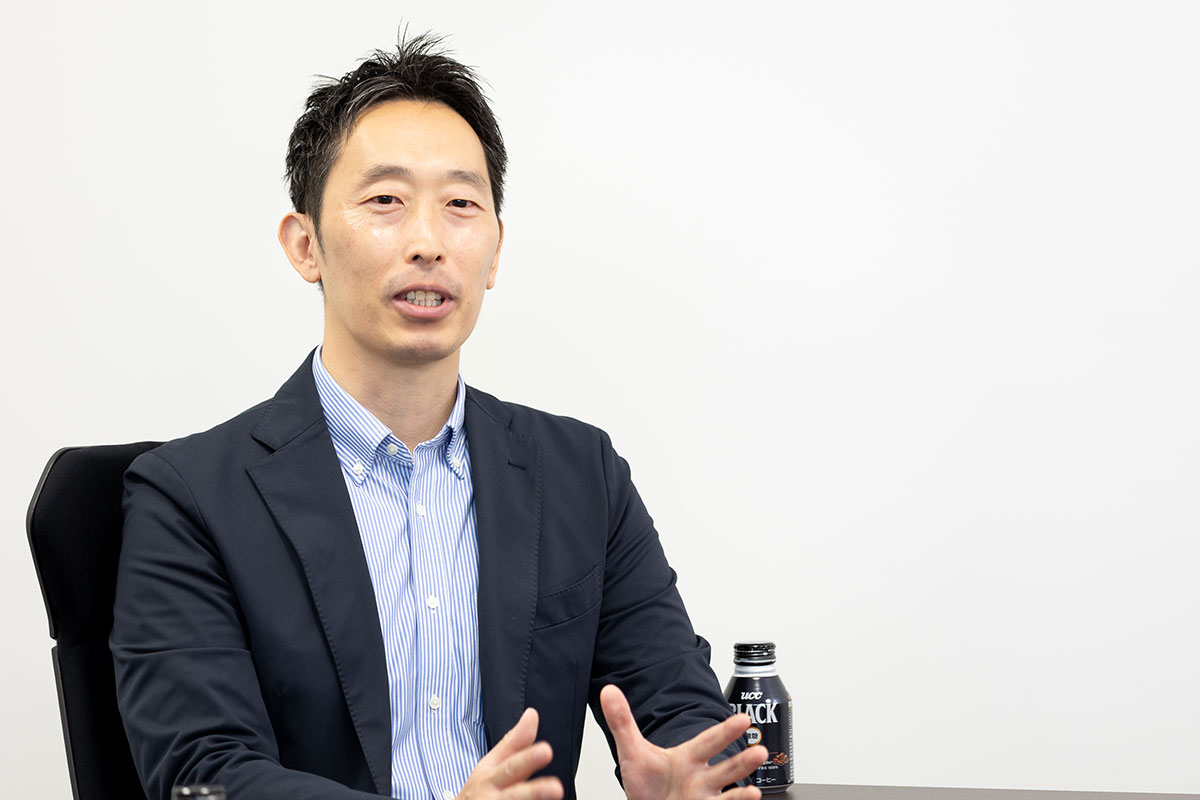
Muto: On the other hand, it is precisely because teachers are so pressed for time that a device like the Fatigue Stress Meter, which allows for easy, quick, and reliable measurement, becomes so effective.
When measuring fatigue and stress, it is crucial to use a consistent, accurate method under the same conditions each time. We've recently seen many commercial products claiming to visualize fatigue and stress, but my feeling is that many lack evidence for how they define "well" or "unwell." For these kinds of devices, the two most important factors are whether there is substantial underlying data and to what extent they are being used in real-world settings.
By conducting measurements with the Fatigue Stress Meter in an actual school setting, we created a case study for its use in self-care and workplace environment improvement as a method of teacher mental healthcare. We have overcome the initial hurdle of a trial introduction of a stress measurement device. In the future, I expect more schools will want to adopt it based on this precedent. As the number of participating schools grows, the Fatigue Stress Meter is bound to become a widely used and powerful digital tool for mental health in the education sector.
Yabe: Visualizing stress in the education sector is no easy task, but by having them use the Fatigue Stress Meter, we hope to make measuring fatigue and stress levels as simple as possible.
3. The Foundation of Co-Creation Is People
--The Fatigue Stress Meter is an existing product. KUMIHIMO projects often involve co-creation with companies aiming to build new products or solutions using Murata's components. In that sense, this project feels a bit different from the others.
Yabe: In the medical and healthcare business, collaboration with medical professionals, researchers, and various medical-related companies is essential. This is especially true for us as we are a relative newcomer in the medical device field. We can't provide high-value-added products and services unless we work with outside companies and experts that have advanced knowledge and expertise.
--So, I take it that, whether you're working with a finished product or a component, the meaning of collaboration remains the same. Mr. Yabe, I hear this is your first time participating in KUMIHIMO. Could you share your impressions?
Yabe: This KUMIHIMO project has reaffirmed for me that people are the true foundation of co-creation. No matter how much knowledge, technology, or business skill one has, if you can't build a relationship where you can trust each other implicitly, you can't move forward together toward a common goal. For this project, we held weekly meetings and visited sites together, which allowed us to get to know one another on a deep, personal level. I believe we were able to foster this kind of relationship because KUMIHIMO provided the foundation for collaboration.
Mr. Sakagami is extremely passionate about reforming the education sector and has earned immense trust from teachers. Some schools cooperated in our experiment simply because of that deep-rooted trust, saying, "If Mr. Sakagami is asking, we'll do it."
Dr. Muto has been generous with his ideas on how we should proceed in the field. He also actively collects various data, which is incredibly reassuring. Beyond the performance and quality of the Fatigue Stress Meter itself, I believe we are able to execute this KUMIHIMO project because everyone involved is fully committed in their respective areas of expertise.
Sakagami: That applies to Mr. Yabe as well. He has a deep insight into the social significance of the Fatigue Stress Meter and, more than anything, I feel he has a real passion for it.
Muto: Just as Mr. Sakagami said, Mr. Yabe's passion for the Fatigue Stress Meter is truly profound. It's rare to find someone so dedicated. As Mr. Yabe also mentioned, we hold weekly meetings. I haven't experienced such an intensive co-creation project elsewhere, and Mr. Yabe and his team provide incredible support.
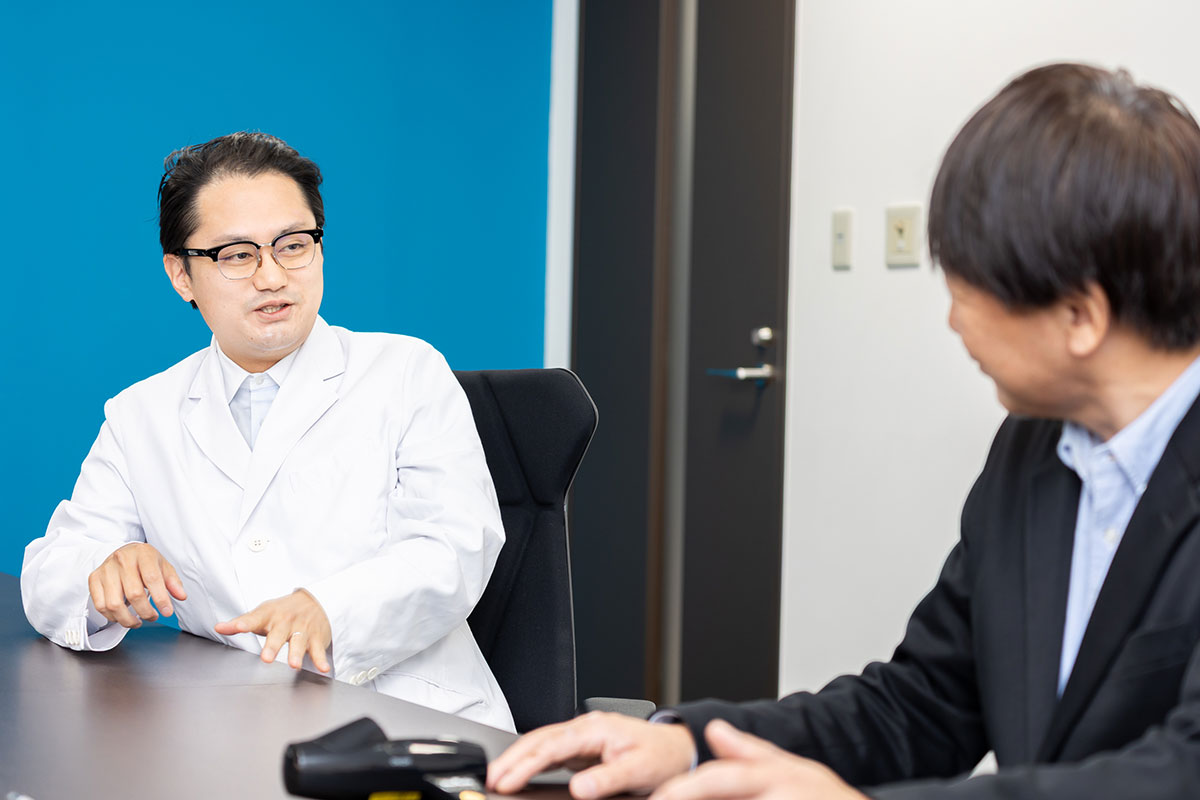
4. Creating a Trend and a Culture of Visualizing Fatigue and Stress Levels
--Please share the knowledge you've gained from this co-creation and your outlook for the future.
Yabe: As I said before, one takeaway is just how important human connection is. Another is having a shared passion. All three of us are driven by a fundamental desire to help those suffering from fatigue and stress in the field. As a result, Murata, the education sector, and academia—parties that would not normally cross paths—were able to form a three-part collaboration. I feel that through this unprecedented initiative, we are beginning to shed light on conditions on the ground that were previously unclear.
Through this activity, we hope that everyone can become more aware of the fatigue and stress they and those around them are experiencing. By understanding stress and fatigue as numerical data, we hope to get one step closer to a society where people can take action before these issues manifest as poor health.
Sakagami: Efforts to visually display stress levels in educational settings are still a work in progress. Going forward, I want to work closely with the schools that use the Fatigue Stress Meter and support their stress-reduction initiatives along the way. I look forward to seeing workplace environments in schools become more fulfilling.
Muto: It would be wonderful to see a future where every company and organization has at least one Fatigue Stress Meter. I'm hopeful for a future where measurement with this device becomes a powerful digital tool that not only promotes voluntary mental health improvement activities but also complements legally mandated stress checks and further advances health and safety initiatives. I believe we're approaching a time when the MF100, powered by Murata's electronic components and their precise sensing capabilities, will be used by many more people.
Yabe: I'd like to contribute not only to our added value in the near future but also to creating trends and a "culture" of visualizing stress by promoting real-world adoption.
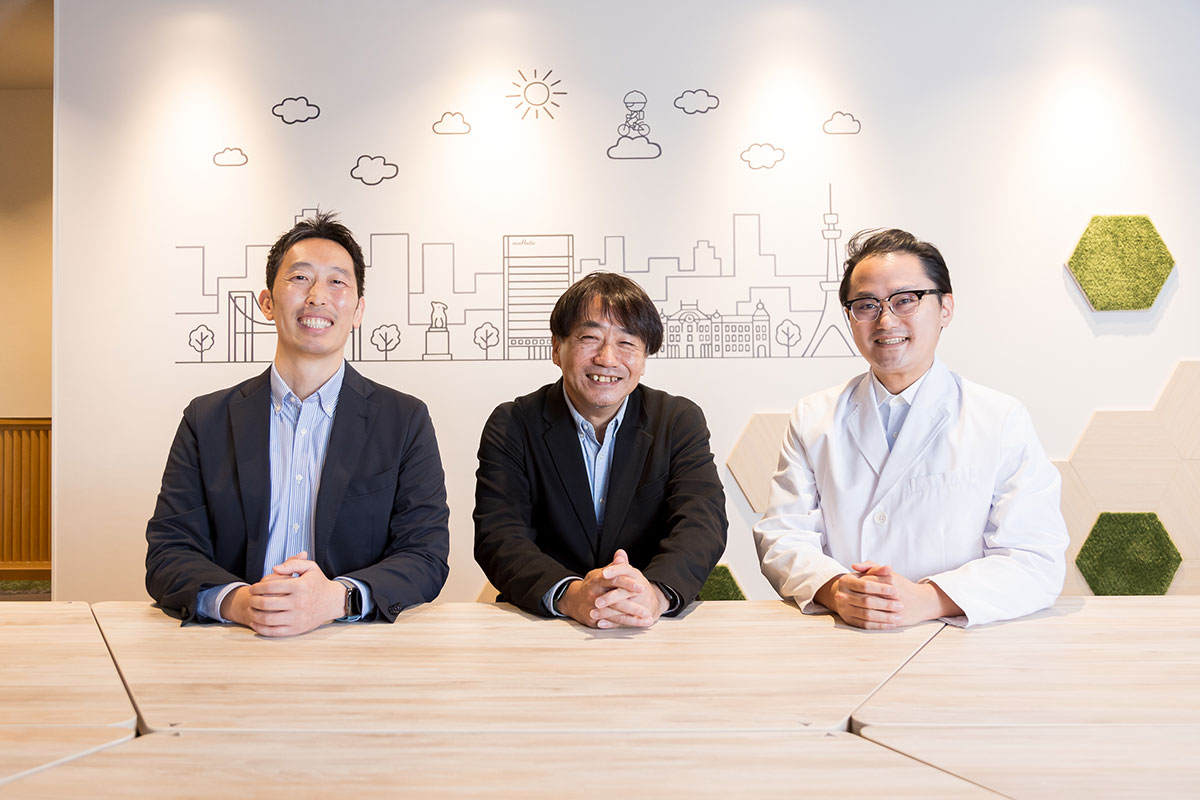
5. Stress as Both Ally and Threat: How to Manage It Effectively - Editor's Postscript
Hans Selye, the Canadian physiologist who first proposed the theory of stress, said, "Stress is the spice of life." In other words, stress itself is not inherently bad. While moderate stress enriches our lives, excessive stress can threaten our physical and mental health.
If we could always be aware of our own stress levels using the Fatigue Stress Meter, perhaps we could manage stress more effectively. This three-way initiative through KUMIHIMO not only presents a new model for co-creation but seems poised to become a new step forward in driving improvements across various workplace environments.
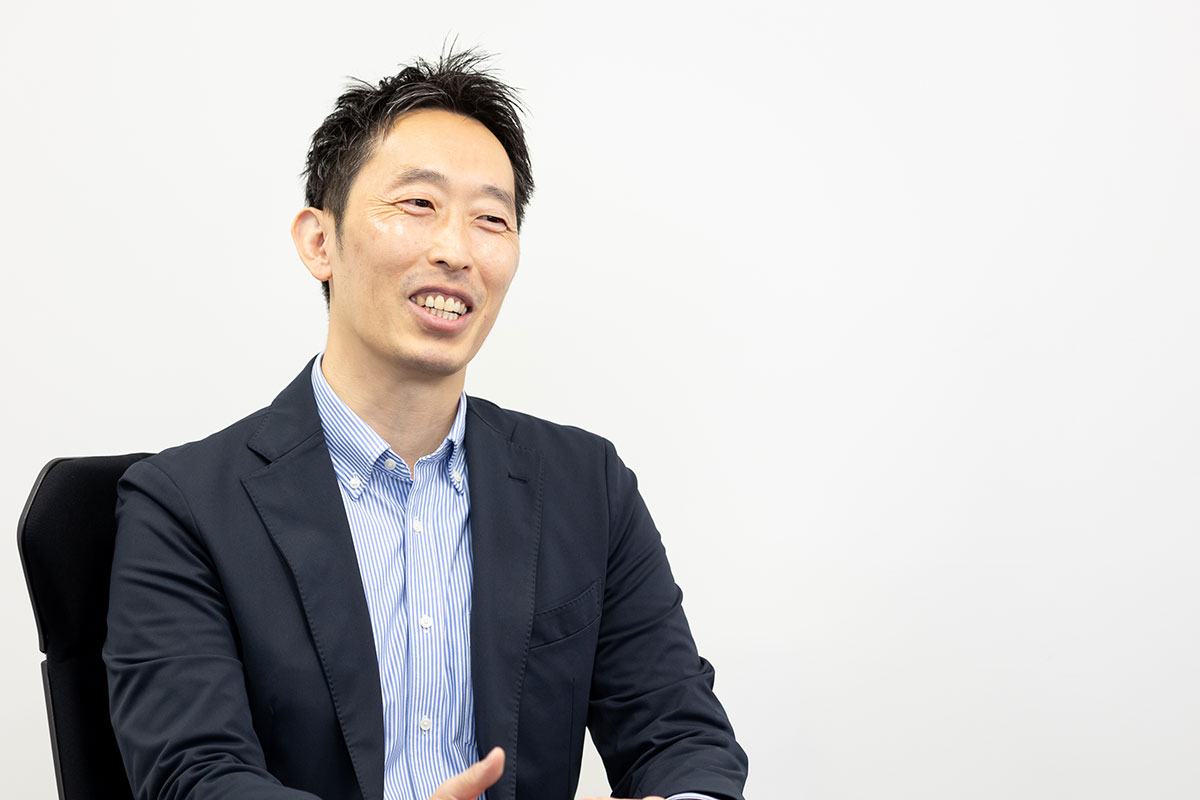
Yoshihiro Sakagami
CEO, EduTechnology Japan, Inc.
After working at an IT company, Mr. Sakagami joined Apple in 2007. As a founding member of its education division, he was involved in the one-to-one device rollout for numerous educational institutions. He founded EduTechnology, Inc. in 2014 to apply the knowledge and experience he gained from observing classrooms worldwide back to Japan.
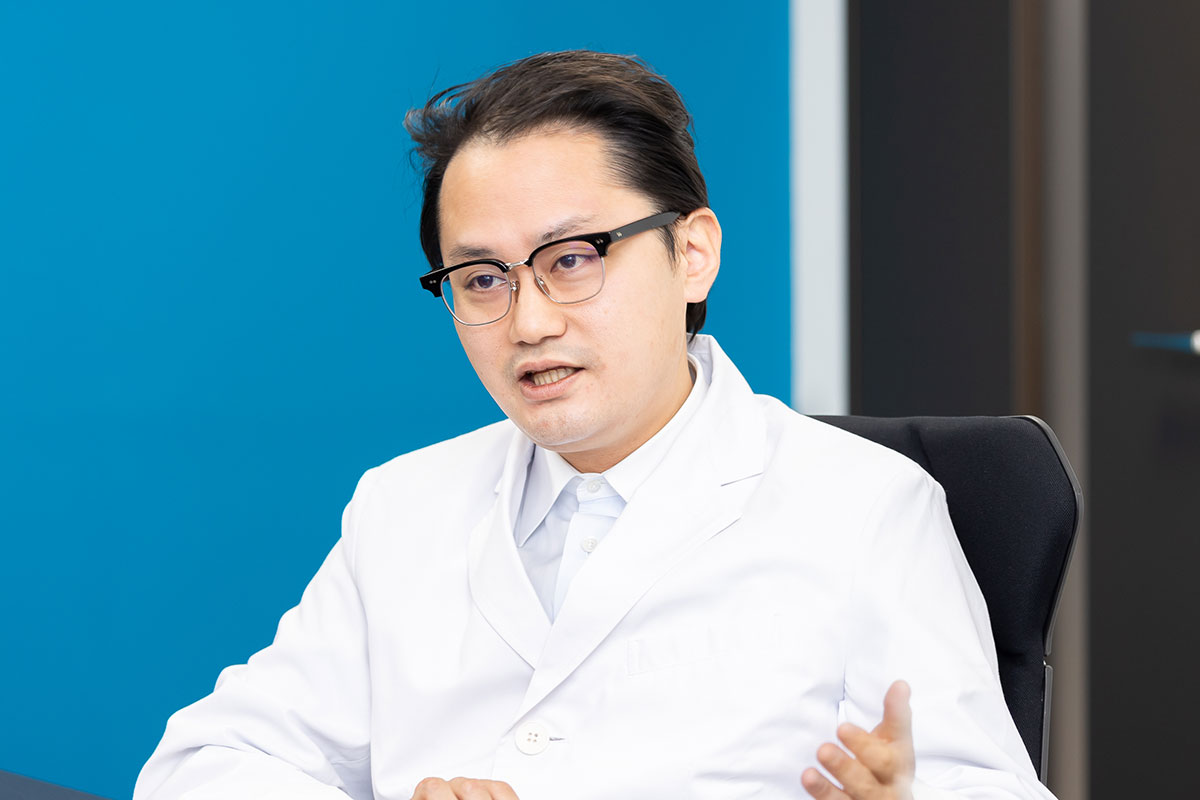
Go Muto
Junior Associate Professor, Department of Hygiene, Kitasato University School of Medicine
Dr. Muto graduated from Chiba University School of Medicine in 2007 and completed his studies at Keio University Graduate School of Medicine in 2014. His previous positions include visiting researcher at the University of Tokyo's Division for Environment, Health and Safety; project assistant professor at Juntendo University's Department of Hygiene and Environmental Health; research fellow at the Harvard T.H. Chan School of Public Health (a Japan Medical Association Takemi Fellow); and project assistant professor at the Center for Preventive Medical Sciences at Chiba University. He is a specialist in general internal medicine, a supervising physician in social medicine, a specialist in occupational health, and an occupational health consultant (health & hygiene). He also serves as a board member of the Japanese Society of Preventive Medicine.
The information presented in this article is current as of January 20th, 2026.
Related articles
- The Vision for Next-Generation Manufacturing of Murata's Distributed Exhaust Circulation One-by-one VOC Removal System - Simultaneously Reducing Environmental Impact and Costs
- Protecting Fetuses with Ultrasound Examinations - Aiming for "Anytime, Anyone, Easily"
- Heat risk prevention Devices - Strengthening the Quality Control Process with AMR Sensor-based Power Control - Biodata Bank